

The Future of Solenoid Valves: Trends Driving the Next Generation of Innovation
Solenoid valves offer versatility in fluid and gas control, making them ideal for electromechanical devices. Their automated switch functions allow them to quickly shift between open and closed positions for precision media regulation.
Solenoid valves are highly customizable and come in a variety of sizes and configurations. Despite their simple design, technological advancements have made them suitable for interconnectivity and energy efficiency. That flexibility puts them at the forefront of innovation, including smart integration, digital connectivity, miniaturization and more.
Smart Solenoid Valves and IoT Connectivity
Smart sensors have changed the game when it comes to optimizing solenoid valve applications. They’re able to monitor media pressure, flow rate and temperature in real time and provide live system updates so you can make precise adjustments quickly. That reduces the risk of inefficiencies and wasted media. Solenoid valves with smart sensors can simplify upkeep with predictive maintenance tracking, too. That programming is designed to collect data and help you track and address irregularities before they become costly problems.
The Internet of Things (IoT) allows you to incorporate solenoid valves into a network of devices, including sensors and software. You can design an intelligent valve configuration that can be managed from a centralized control system or cloud-based platform. Solenoid valves that use IoT are especially effective in industrial automation and manufacturing equipment, as you can program each component to adjust for pressure fluctuations, prevent leaks and reduce the risk of system shutdowns.
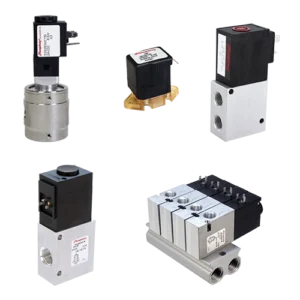
Miniaturization for Robotics and Medical Devices
Technological advancements in microfluidic applications demand smaller, more efficient solenoid valves. Innovations in design have allowed for more compact components that still provide high-quality performance. That’s essential in medical tools and robotic equipment.
Medical devices like ventilators, dialysis machines and diagnostic instruments require precision air and fluid control. However, they present unique design challenges because solenoid valves must be able to handle small volumes with extreme accuracy and repeatability. Reducing the size of the valve body can make it difficult to dissipate heat, which is why factors like advanced materials and 3D printing are necessary to overcome those issues.
That presents application possibilities in cutting-edge industries such as:
- Surgical robotics
- Lab automation
- Medical technology
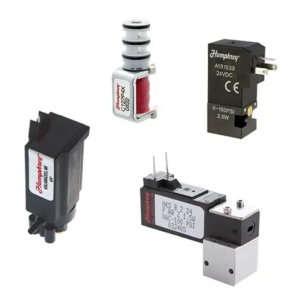
Energy-Efficiency Designs and Sustainable Innovation
Reducing energy consumption and environmental impact continues to motivate various industries to rethink how they implement solenoid valves in their applications. Newer valve designs focus on efficiency, sustainability and smarter energy management, allowing them to perform better and align with efforts toward greener practices.
Continuous operation in high-pressure applications can require significant power and increase your carbon footprint. Specific materials and design enhancements now allow solenoid valves to minimize energy loss while maintaining consistent operation.
Some of those features include:
- Low-power coil designs
- Optimized magnetic circuits
- Improved sealing technologies
- Reduced holding current
- Reduced heat generation
Those elements can provide major energy cost savings, especially in large-scale applications like HVAC systems, water treatment and automated manufacturing.
What’s Next for Solenoid Valve Technology
Self-optimizing systems: Beyond mechanical precision, solenoid valves have the potential for AI integration, enabling them to analyze operational data in the moment and make automatic adjustments to optimize response times. That allows for improved system efficiency without the need for human intervention.
Self-diagnostics: Smart valves may soon be capable of continuous self-monitoring for wear, leaks and performance deviations. Those predictive features could help reduce downtime, minimize maintenance costs and promote more reliable operation.
Adaptive flow control: Valves equipped with adaptive control mechanisms could automatically adjust flow rates based on feedback from sensors, environmental conditions or process demands.
Customizable Solenoid Valve Solutions from Humphrey Products
Each application is unique, which is why it’s important to work with a team that knows how to stay flexible. Humphrey Products will work with you to define your parameters and create custom valve solutions to suit space and operational requirements. Learn more about our solenoid valve products and contact our technical team for assistance.