

The Hidden Cost of Pneumatic Valve Leakage: What You Need to Know
The reliability and effectiveness of pneumatic valves make them ideal for compressed air systems, especially in manufacturing applications. They can drive cylinders, actuators and tools designed to move and control processes. However, even the smallest leak may throw a wrench in the process, leading to inefficiency, wasted media and potential failure.
A pneumatic valve leakage is characterized by the unwanted emission of compressed media when the valve is closed or sealed. That can occur when air leaks past seals, seams and fittings. Because these systems rely on precise pressure regulation, even a minor leak can cost hundreds of dollars over time. They also put unnecessary strain on your equipment, resulting in performance issues and more frequent repairs and replacements.
Understanding Pneumatic Valve Leakage
If you work in an industrial plant or have equipment that uses several pneumatic directional control valves, you should be aware of the effect of unplanned and planned valve leakage.
Leaks are categorized in the following ways:
Internal: This type of pneumatic leakage occurs when air leaves the valve but stays in the system or moves into another chamber.
External: Once air moves from the system into the atmosphere, it’s considered an external leak. That can result from damaged seals and cracks.
Continuous: A continuous leak is categorized by a constant release of air within or outside of a valve system.
Intermittent: This type of leak typically happens during a specific part of a cycle. It’s common to experience intermittent leaks during valve shifting and pressure buildup.
Unplanned valve leakage is often caused by:
- Worn, hardened and cracked elastomers
- Corroded valve surfaces
- Improper installation
- Poor maintenance
- Air system contamination
Manufacturers also account for planned leakage in the valve design. For example, spool-type valves allow for a small amount of leakage that vents to an exhaust port. That reduces spool-sleeve friction as the valve shifts. Poppet-type designs can minimize or even eliminate friction within the valve to reduce planned leakage.
Leak Detection Methods
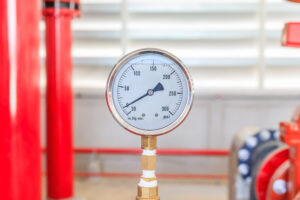
Listening for audible hissing and other noises is the most basic method of assessment. A common method involves applying soapy water to the surface of connections and fittings to spot bubbling. You may also use pressure decay and differential tests to evaluate drops in pressure. For more complex applications, ultrasonic leak detectors allow you to analyze high-frequency sounds, even in noisy settings.
Direct Costs of Pneumatic Valve Leakage

Energy loss: Compressors use lots of electricity to function. Pneumatic valve leakages require compressors to work harder to maintain the right amount of pressure, resulting in wasted energy and higher operating expenses.
Maintenance costs: If your pneumatic system is causing damage and corrosion to elastomers and surfaces, the stress may lead to more frequent repairs. That reduces their longevity, so you’ll also have to pay for replacements more frequently.
Production delays: Unplanned equipment downtime due to valve repair or replacement impacts production efficiencies.
Indirect and Hidden Costs
Pneumatic valve leaks contribute to additional operational costs, including overall system efficiency. Components outside of the valve body can also sustain accelerated wear due to increased strain on motors, filters and seals. If those components fail, they create additional inefficiencies and can even pose a safety hazard to workers, resulting in OSHA compliance issues.
Quantifying Leak Costs
The following formula is used to factor in orifice size, supply pressure, operating time and energy costs:
Annual leak cost = leak rate x compressor kW/100 CFM x operating hours per year x electricity costs.
You may also use hours of operation per year, compressor energy usage per unit and electricity rates to estimate your losses over time. Industry studies provide benchmarks for acceptable loss levels that you can compare against your facility. If your statistics exceed those numbers, it may suggest maintenance or efficiency issues.
Strategies to Minimize Pneumatic Valve Leakage
The following recommendations can optimize your pneumatic system:
- Complete preventative maintenance: Adhere to an inspection schedule to identify minor issues before they become bigger, costlier problems.
- Consider alternative valve designs: Poppet valve designs can provide more efficient operations for high cycling applications and in facilities where moisture or debris is present in airlines.
- Conduct audits: Pressure drops and benchmarking air loss allow you to ensure leaks stay within standard limits.
- Encourage employee training: Operators should know how to spot signs of leaks so they can report and address issues quickly.
- Use smart monitoring systems: Sensor monitors track air flow and pressure without disruptions. They also provide alerts for fluctuations that may suggest a leak is present.
Optimize Pneumatic Valve Applications with High-Quality Products
Addressing leakage issues offers a variety of short- and long-term cost benefits. Accounting for maintenance tasks and potential inefficiencies can help you create an operational budget. The expert team at Humphrey Products can not only help you select the right valve but also direct you toward energy incentives to enhance your application. Contact our technical team for product support.