

Applications for 2-Way Pneumatic Solenoid Valves
A 2-way solenoid valve is a compact component that controls the inward and outward flow of media through a system. It’s actuated by electrical input that energizes the solenoid coil, creating a magnetic field that moves a plunger or armature to open or close the port.
These valves act as an on/off switch and provide precision media regulation in air and inert control systems. That makes 2-way pneumatic solenoid valves suitable for compressors, actuators, gas dispensing equipment and much more.
Key Features of 2-Way Pneumatic Solenoid Valves
Normally open vs. normally closed configurations: A 2-way valve can be configured for normally closed or normally open operations, or the position of the valve at rest. A normally open valve allows media to flow through the valve body when it’s not energized, while a normally closed valve seals off the orifice until it’s actuated.
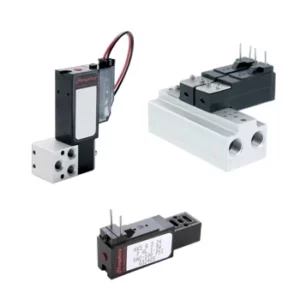
Compact: Designs are becoming smaller and lighter, making these valves effective options for systems with limited space and multiple components. They don’t require as much room in manifolds and panels, so you can fit them in to suit your specifications.
Fast response: This type of solenoid valve moves quickly upon actuation. That allows for precision control over media flow, which can make or break a system, depending on its requirements and use.
Automation compatibility: You can integrate a 2-way solenoid valve into a system with sensors, Internet of Things (IoT) and remote operation. That helps improve efficiency and accuracy by removing manual interference, which is important when working in hazardous environments.
Types of Applications
Industrial
These valves are suitable for controlling pneumatic actuators and cylinders in manufacturing and automation applications like assembly lines. You can also implement them to enhance media regulation and operational safety in chemical processing, water treatment and HVAC systems. The on/off actuation allows for fast, hands-free control for conveyor belts, air systems and pick-and-place robotics.
Process Control
Two-way pneumatic solenoid valves work as the start and stop points. They’re ideal for process control applications such as dispensing, isolation, sequencing and pressure regulation. Some 2-way pneumatic solenoid valves have fail-safe designs that enhance venting, purging and pressurizing media. You can find these valves in sealing and labelling equipment in the packing industry and in automated bottling and dispensing systems in food and beverage equipment.
Utility and Infrastructure
Two-way valves can regulate airflow through ducts and dampeners in HVAC systems. You can integrate them into building management systems to support energy efficiency, too. Water and wastewater treatment applications rely on 2-way solenoid valves to manage compressed air and control oxygen levels. You can also find these valves in oil and gas equipment, controlling gas flow and pressure.
Transportation
Two-way valves are effective in pneumatic braking applications due to their ability to quickly start and stop airflow to brake actuators. They’re also compatible with air suspension systems and promote smooth ride control in harsh environments.
Advantages of Using 2-Way Pneumatic Solenoid Valves
Precise and reliable control: The solenoid allows for fast, repeatable actuation. That allows the plunger or armature to instantly open or close the valve and reduces performance variations.
Low energy consumption: Compared to mechanical alternatives, 2-way pneumatic solenoid valves only require energy when the valve is opened or closed. That reduces operating costs and heat generation.
Integration with PLC systems: You can control this type of pneumatic valve via a digital or analog signal, so they can interface with PLCs, sensors, timers and other automated elements.
Long service life: The plunger, valve body and spring are designed with durable material so they can handle frequent cycling, high pressure and extreme temperatures in demanding environments.
What to Consider When Selecting a Pneumatic Solenoid Valve
The following factors will influence your valve selection:
- Pressure and flow rates: That includes the minimum and maximum operating pressures and flows required by your unique application.
- Material compatibility: Media type will influence the type of material required for your valve. For example, stainless steel is necessary in corrosive environments.
- Voltage: The solenoid must match the available power supply.
- Duty cycle: Continuous and intermittent operations will affect coil selection and thermal limits differently.
Find the Right Valve for Your Application at Humphrey Products
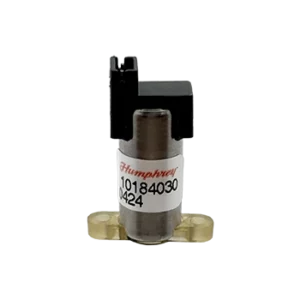
Our high-flow 2-way pneumatic solenoid valves are available in a variety of sizes.
Contact our team for technical support.